
3 killer business ideas the internet hasn't caught up to yet
Two business ideas the hosts think are underpriced: oxytocin products packaged as a fix for divorce and loneliness, and interest-based communities that monetize through insurance, with A24 and Angel Studios as side lessons.
Watch on YouTube ↗Charlie's summary
- ▶ 2:10
Palmer Luckey's answer to starting from zero: oxytocin doping for marriage counseling to end the tragedy of divorce
Asked what he would do with no money or network, Luckey said he would work on divorce using oxytocin, the mammal pair-bonding hormone. The host admires how complete the idea and its pitch were. He says the packaging is what makes it a business, even though he knows little about oxytocin itself. He notes it is largely unregulated and sold by chemical suppliers.
- ▶ 10:38
Oxytocin works like a highlighter, amplifying whatever you already feel rather than acting as a love potion
The hosts cite small, non-robust studies. Men given oxytocin sat about 15 cm farther from an attractive stranger. Abuse victims felt more distance from their abusers, not more love. A feeling is a chemical brain state with a conscious readout, so safely adjusting that chemistry is interesting. Both stress it is understudied, with unknown efficacy and safety.
- ▶ 16:27
Fringe health ideas often become mainstream, so oxytocin's social acceptance could shift
The host follows biohacking subreddits, where people are often wrong but occasionally show a real signal. That is how he found GLP-1s and testosterone. The co-host, who is wary of drugs, points to peptides like BPC-157 and the roughly $3 billion Eli Lilly purchase of a psychedelics company as things that went from fringe to normal. Telehealth brands like Hims may start selling oxytocin nasal sprays. They also expect meta ads pitching it as a divorce cure within a year.
- ▶ 20:15
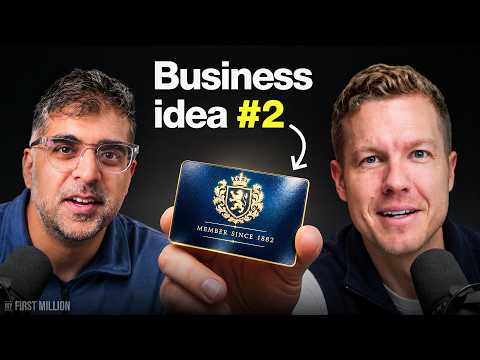
Monetize loneliness the Knights of Columbus way: build a shared-interest community, then sell it financial products
The Knights of Columbus began in 1882 as a mutual benefit society and now has 2 to 3 million members and $30 billion in assets. It earns mainly by selling life insurance to members, and its fastest-growing segment is men aged 30 to 40. The host says Good Sam (RV owners) and USCCCA (concealed carry, about $400 million a year) use the same model. Members get community and discounts, and the real money comes from commodity financial services sold to people who feel attached to the group.
Give your email to unlock the rest of the key points — for every episode.
Do more with Charlie
Free — sign in with your email, no password.