
Free — sign in with your email, no password.
Podcasts on 11 November 2026
 Lex Fridman PodcastRussia-Ukraine War: Putin, Zelenskyy, Drones and the Future of Warfare | Lex Fridman Podcast #504
Preston and Mike argue the war has become a drone-saturated, manpower-heavy attrition fight in which Russia's tactics and falsified reporting hit diminishing returns, while its political goals outrun its military means and peace looks distant.
11 key points · 3 quotes Conversations with TylerTerence Tao on Proof, Beauty, and the Future of Mathematics
Terence Tao argues that AI has moved mathematics from proof scarcity to proof abundance, decoupling proof from understanding, and that this will reshape problems, papers and the value of human exposition.
11 key points · 3 quotes The AI Daily BriefFable 5.2 vs Opus 5.5 and When to Use Each
Fable 5.2 is the most powerful model yet, excelling at big, ambitious, open-ended projects, but it is jagged, expensive and often no better than Opus 5.5 for everyday work.
9 key points · 1 quote AI & IA New Vision for Human Work After Automation
Dan argues that benchmark charts make human work look doomed, but up close, cheap AI output makes human perspective and responsibility, which let you rank and choose, the scarce and valuable thing.
6 key points · 1 quote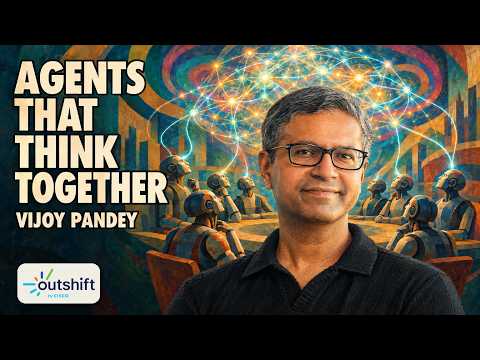 The Cognitive RevolutionAgents That Think Together: Cisco's Vijoy Pandey on Semantic Alignment, Scope, Accord & Concord
Vijoy Pandey argues that connected agents are not yet thinking together, and that open tools for cognitive observability and intent alignment (Scope, Accord, Concord) are needed to make multi-agent systems reliable.
10 key points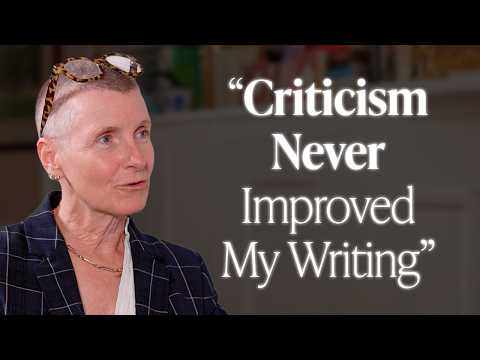 David PerellThis Is What 40 Years of Writing Discipline Looks Like (Elizabeth Gilbert Interview)
Elizabeth Gilbert argues that a lasting creative life rests on discipline, preparation, supportive readers, rest, and experience of the real world far more than on rare bursts of inspiration.
12 key points · 1 quote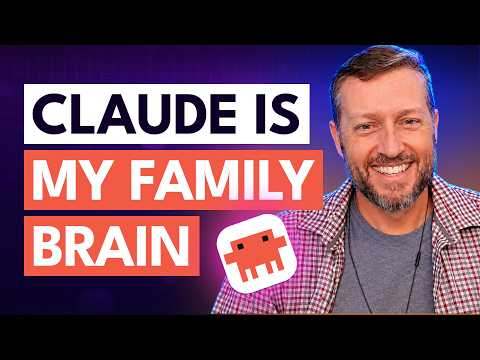 How I AIClaude Code + Obsidian: My family’s AI brain
Scott Farrar argues that a Claude Code folder of markdown files, viewed in Obsidian, gives AI grounded, transparent household memory that moves projects forward, and that AI in learning should keep students doing the thinking.
9 key points a16zMike Volpi on Why AI Infrastructure Will Outlast the Hype Cycle
Mike Volpi argues the AI buildout resembles the late-90s internet boom: a correction is likely, but the underlying infrastructure will stay useful, and the cycle is more promising and consequential.
11 key points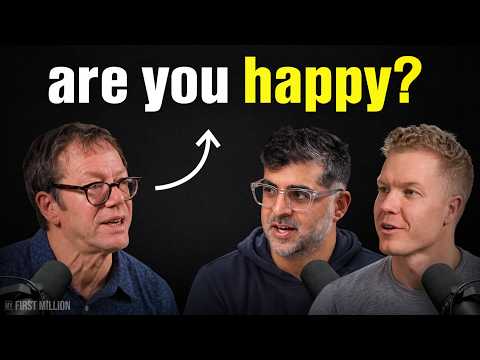 My First MillionIf you feel everything is amazing, but you’re not happy watch this (ft. Robert Greene)
Robert Greene argues that phones and instant technology shrink our experience and leave us flat, and that awe, purpose, mystery and inner confidence, not external stimulation, restore a fuller life.
10 key points · 2 quotes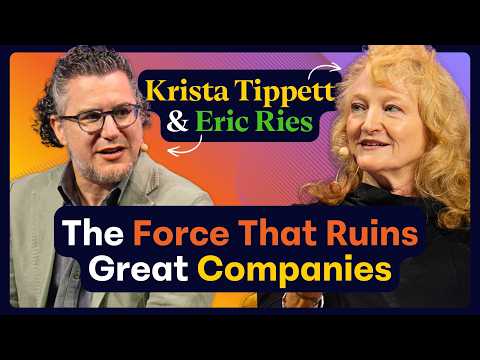 Masters of ScaleWhy good companies go bad (Krista Tippett & Eric Ries) | Summit ’26
Eric Ries argues that scale, not failure, ruins beloved companies, that we should call it corruption, and that trustworthiness and governance, not shareholder primacy, are what let great companies stay great.
7 key points · 1 quote Invest Like the BestGLP-1s Are a Bigger Business Than AI
Zach Reitano argues American healthcare fails because the patient isn't the customer, and that direct-pay models like GLP-1s, outcome-focused technology and a sharply focused company culture can fix it.
12 key points · 1 quote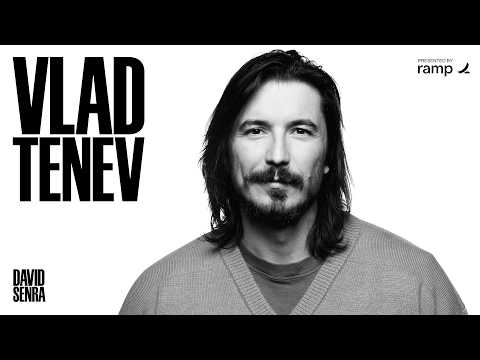 David SenraBuilding Robinhood, Surviving GameStop & A $500 Million Phone Call | Vlad Tenev
Vlad Tenev recounts how trust with Ribbit's Micky Malka, a term sheet drafted in March 2020, and one fast phone call saved Robinhood during GameStop, and how immigrant roots and a legacy test drove him into entrepreneurship.
8 key points Dialectic with Jackson DahlKen Sakata Quit Medicine to Make Pants
Ken Sakata argues that fashion design is a business of constraints and fake dreams, that new design needs a forward look, and that he may be better at explaining design than doing it.
10 key points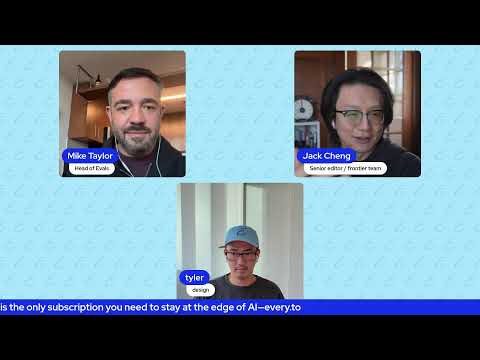 AI & ILIVE Vibe Check: Gemini 4 Carbon
The Every team's live vibe check finds Gemini 4 Carbon a strong, diligent, natively multimodal second-opinion model that is not yet a daily driver, with dense design output and weaker writing.
9 key points · 1 quote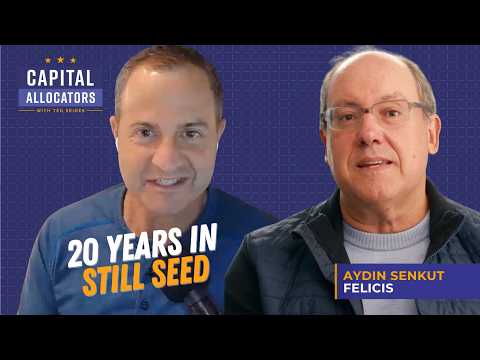 Capital AllocatorsAydin Senkut: Chasing Demand, Not Hype, at Felicis
Aydin Senkut argues that early-stage investing wins by chasing real demand rather than hype, backing foundational infrastructure and non-consensus founders, and by actively engineering founder trust and exits.
12 key points · 2 quotes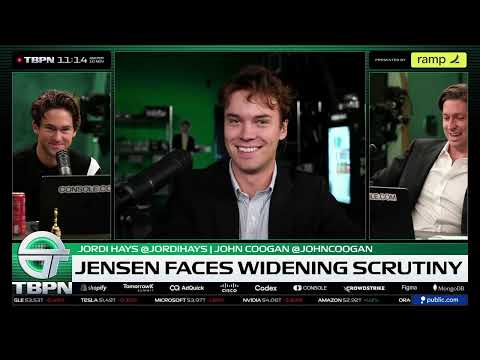 TBPNChris Miller (Chip War) Joins, The Name's Huang. Alice Huang. The Markets. Shaken, and stirred.
The episode covers the widening Nvidia spy scandal and what it means for Jensen Huang and chip policy, then car collecting, defense robotics, and AI-native law firms.
10 key points TBPNJensen’s Spy Scandal Deepens, Ring’s Flying Security Cam, Anthropic IPO Roadshow | Diet TBPN
The hosts argue the Nvidia spy scandal is a black swan that could unseat Jensen and ripple through AI financing, while Anthropic's retail-friendly IPO and attacks on inference providers show the sector's shifting stakes.
7 key points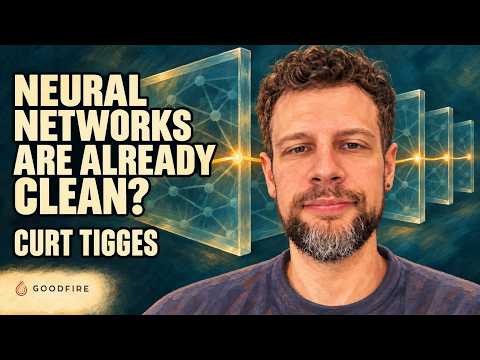 The Cognitive RevolutionThe Neuron Basis: Goodfire's Curt Tigges on Agentic Interp, Monosemanticity & Reverse Engineering
Curt argues individual MLP neurons are far more interpretable than assumed: sparse, mostly single-function, scalable to label with agents, and a promising base for monitoring and eventually ambitious reverse engineering.
12 key points · 2 quotes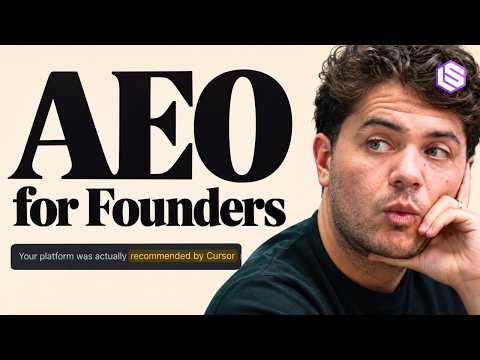 Latent SpaceDesigning for Agents — Zeno Rocha, Resend
Zeno Rocha explains how Resend won developer email by trusting users by default, mimicking good senders to reach the inbox, going API-first for agents, and optimizing for AI recommendations while keeping family first.
10 key points · 1 quote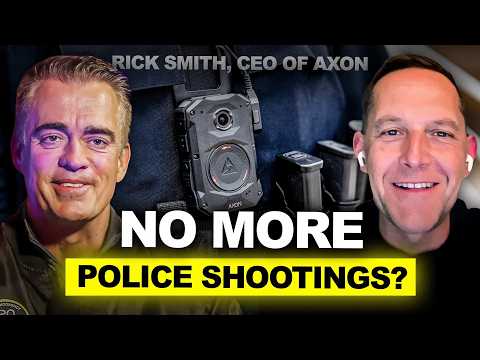 All-In PodcastFreedom vs. Safety: Axon CEO Rick Smith on the Future of Policing
Axon CEO Rick Smith argues that non-lethal tools, body cameras and drones, paired with strict data governance and human oversight, make policing safer for both citizens and officers without becoming a surveillance state.
12 key points · 1 quote