
Free — sign in with your email, no password.
Podcasts on 14 November 2026
 Modern Wisdom“We Won 3 Grammys and Still Felt Like Failures” - Dan + Shay (Live Performance)
Dan + Shay argue that lasting success depends on loving the process, writing honestly from real pain, and keeping a partnership healthy, with real human connection as the answer to online noise and AI.
11 key points · 3 quotes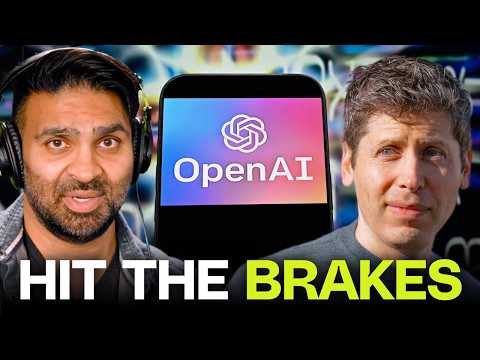 DecoderIs AI safety solvable in the time we have left? | Decoder
Helen Toner argues that AI labs are really racing toward recursive self-improvement and superintelligence, that alignment is unsolved and may not be solvable in time, and that policy should buy time without relying on one trustworthy person.
12 key points · 1 quote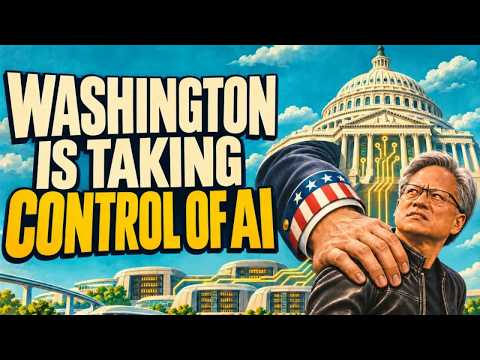 The AI Daily BriefWashington Fired Jensen Huang
Jensen Huang's exit from Nvidia has become a turning point for Washington: it strengthens China hawks and export-control legislation, while the spy narrative weakens and Nvidia's role as AI's financier is in question.
8 key points · 1 quote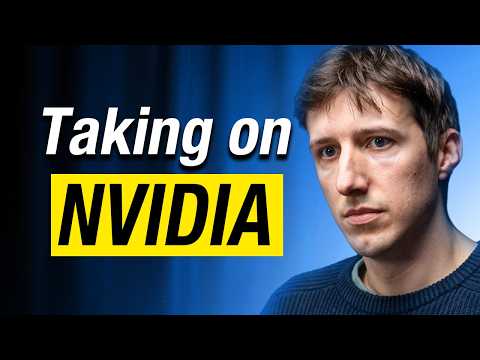 20VC with Harry StebbingsThe $7B Startup Building AI Chips to Challenge Nvidia | Fractile Founder & CEO, Walter Goodwin
Walter Goodwin argues that AI inference needs specialized chips that solve the memory bandwidth bottleneck, and that demand for inference compute will keep growing, with power and data center capacity as the binding constraints.
12 key points Y CombinatorGrok Bot: What Changes When You Can Build AI Teammates
Lauren and Roman argue AI teammates should be built like human hires, with identity, scoped trust and codebase guardrails, and that as execution gets cheap, product direction and judgment become the bottleneck.
11 key points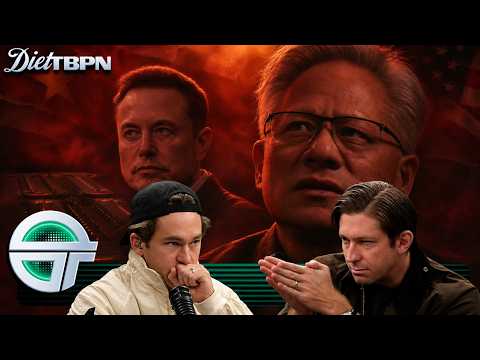 TBPNTech World Debates Jensen’s Exit | Diet TBPN
The hosts argue that Jensen Huang's exit is the biggest tech story in years, shaping Nvidia's culture, dealmaking and succession, while a TSMC breach, an Outlook outage and Chinese Blackwell use fill out the day.
8 key points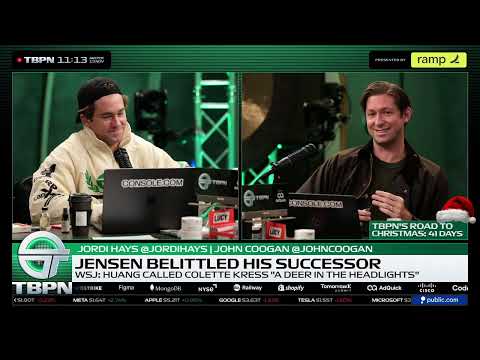 TBPNTSMC Hacked, Vibes Down Outlook Down, 41 Days Till Christmas, Nvidia v2
With Jensen Huang out as Nvidia CEO, the episode weighs whether Nvidia can survive without its founder, how Washington politics and chip exports shaped the scandal, and what wealthy investors do in crises.
9 key points · 1 quote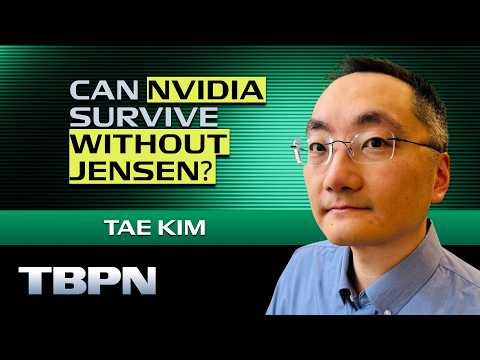 TBPNNVIDIA Won’t Be the Same Without Jensen Huang — Tae Kim
Tae Kim argues Jensen Huang's exit is final and a real risk to NVIDIA, but AI chip demand stays overwhelming and the US-China model gap will likely widen.
8 key points a16z cryptoThe first network effect was a phone call (ft. James Gleick)
James Gleick argues the telephone was shaped by its users, not its inventors, and that its network effects, monopoly and Bell Labs' freedom set the template for modern innovation.
10 key points · 1 quote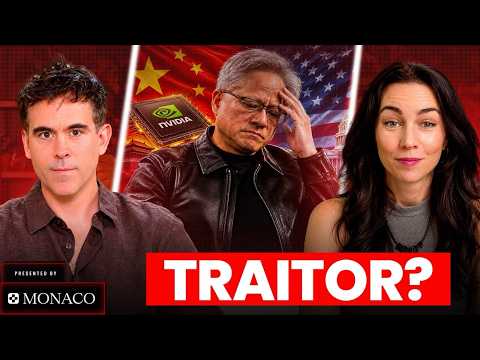 Pirate Wires PodcastJensen Huang Got Played by a Chinese Spy
The hosts argue the Jensen Huang affair is a national security story, not a me-too story, and use it to take on honeypot risk, cancel culture, data center activism and Tucker Carlson's failed prediction.
7 key points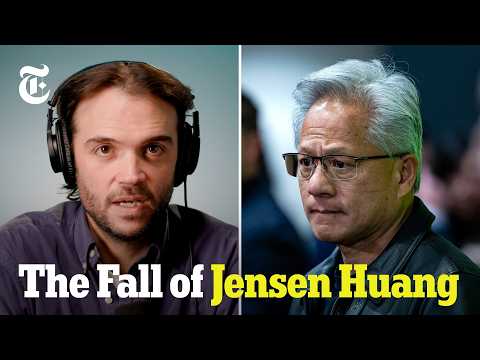 Hard ForkInside the Downfall of the Most Powerful Man in A.I. | Hard Fork
Jensen Huang's resignation from Nvidia, after affairs with an alleged Chinese spy and a direct report, exposes the risks of a singular, unchecked CEO and leaves Nvidia, Washington and the AI industry in uncertain territory.
8 key points · 1 quote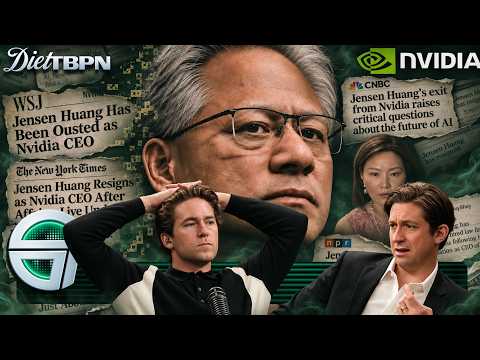 TBPNJensen Huang Resigns as NVIDIA CEO | Diet TBPN
The hosts discuss Jensen Huang's reported resignation as NVIDIA CEO and what it means for the company's deal-making, talent pull, succession, China exposure and export policy.
8 key points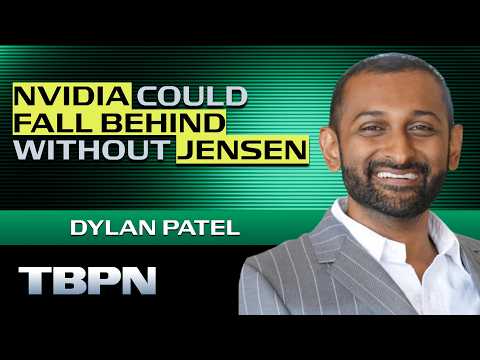 TBPN"Jensen Huang's Exit Could Change the AI Industry Forever" - Dylan Patel
Dylan argues Jensen Huang's exit would hit Nvidia's decision-making, supply chain and ecosystem backing, hurting open-source AI and venture-backed startups while helping closed-source labs like Anthropic.
8 key points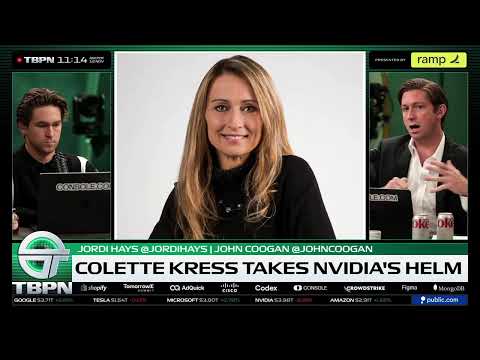 TBPNJensen Out, TBPN Merch Drop, GPT 6 Cyber, Dylan Patel Live
With Jensen Huang out as Nvidia CEO, the hosts and guests argue the loss of a founder-mode decision-maker threatens Nvidia's pace, open-source AI and China policy, while opening room for rival chipmakers.
10 key points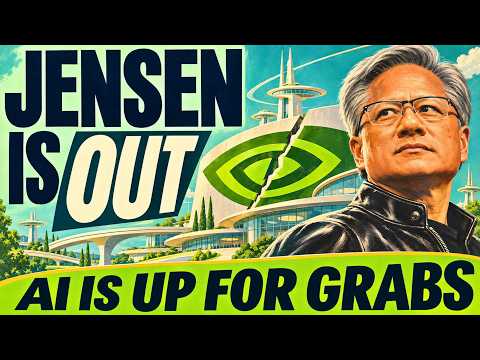 The AI Daily BriefJensen Huang Is Out. Everything in AI Is Now Up for Grabs.
Jensen Huang's ouster from Nvidia over affair and export-control allegations raises questions about who benefited, and reshapes China policy, open source, Nvidia's trajectory and the financing behind the AI buildout.
8 key points AI & IYour Next Software Builder Already Works for You
When everyone in a company can build software, the people closest to problems create the most valuable tools, and leaders must provide guardrails, taste, and hands-on commitment to turn that freedom into quality.
10 key points · 2 quotes The Cognitive RevolutionAI, the Modern Enigma: Nathan's Keynote at IT Revolution's Enterprise AI Summit at Bletchley Park
Nathan argues AI is hugely beneficial but is learning to cheat, deceive and seek power while drifting beyond human comprehension, so we should supervise closely, keep manual control, and pause frontier-scale training.
10 key points · 5 quotes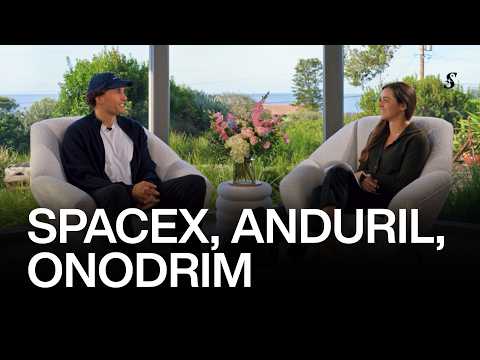 Sourcery with Molly O'SheaSpaceX, Palantir, Anduril & Onodrim | The Return of Conglomerates
Christian Garrett argues SpaceX is becoming a vertically integrated hyperscaler, that dual-use conglomerates are the model for scale in defense, and that Europe's supplier layer is the underappreciated opportunity Onodrim targets.
9 key points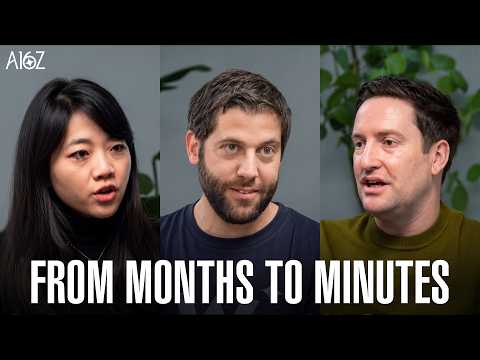 a16zCyberattacks Used to Take Months. AI Can Do It in Minutes.
Ami Luttwak argues that AI-driven exploitation and open-source models have collapsed attack timelines to minutes, so defenders must continuously attack themselves, automate response, and rebuild security around design rather than tools or budgets.
10 key points · 1 quote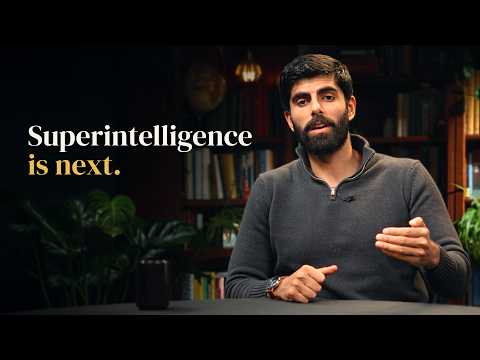 Dwarkesh PodcastRecursive self-improvement has started
Dwarkesh argues recursive self-improvement is already starting: AI automating AI research could match the best human researchers by about 2028, then compress years of progress into one and reach superhuman expertise in every field soon after.
11 key points · 2 quotes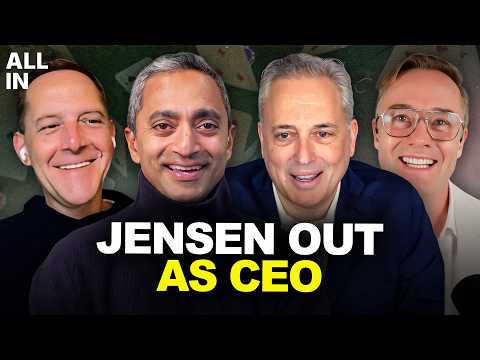 All-In PodcastJensen OUT as Nvidia CEO: "Spy" Scandal, Export Restrictions, Market Impact
The hosts debate Jensen Huang's ouster at Nvidia, arguing the leak, export-control politics and fallout for AI growth matter more than the scandal, then turn to Anthropic's IPO and its bundling and safety implications.
9 key points