
Free — sign in with your email, no password.
Podcasts on 4 November 2026
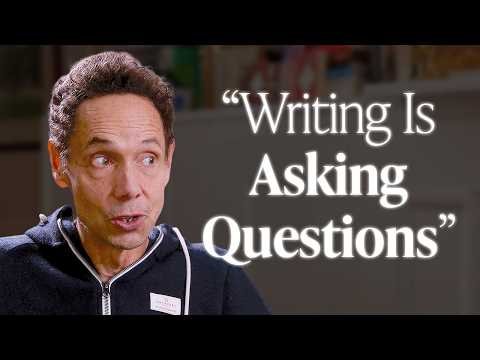 David PerellThe Most Useful Hour You'll Ever Spend on Storytelling (Malcolm Gladwell Interview)
Malcolm Gladwell argues that great storytelling rests on specificity, repeated long conversations, mood and character, pacing that earns trust, and a habit of asking good questions.
11 key points · 1 quote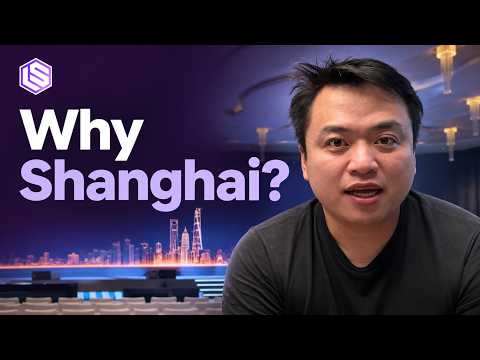 Latent SpaceBehind Latent Space, ft AIEi Shanghai preview — with swyx and Galen Gao
Swyx explains how learning in public and the AI Engineer title built Latent Space and AIE, why coding agents threaten mid-tier SaaS, and what he finds exciting and worrying in AI.
11 key points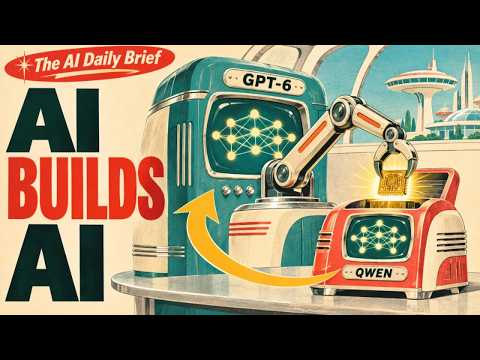 The AI Daily BriefAI Lurches Towards RSI
As AI nears recursive self-improvement, NLW argues that Musk's cost admission, the MIT weight-editing result, and Anthropic's S-1 update each raise real questions, but model gains may not translate straight into adoption and revenue.
7 key points · 1 quote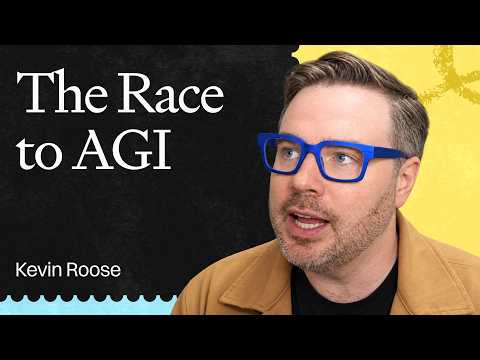 AI & IThe Inside Story of the 50 Who Built Modern AI With Kevin Roose
Kevin Roose argues that AI's future is not predetermined, explains how he reconstructed its secret history, and shares how he uses AI as a tool while keeping the struggle that makes him better.
9 key points AI & IWriting automation workshop with Mike Taylor at Every Think Week
Mike Taylor shows how he automated his writing by having Claude optimize a writing skill against a head-to-head eval of his own published posts, and why human ideas, interviews and editors still matter.
9 key points · 1 quote a16zThe New AI Agents That Shop, Plan, and Gossip
Agents are splitting into productivity, playful and social types; trust, discretion and avoiding paternalism decide adoption, and the next wave will serve aspiration and serendipity rather than only chores.
10 key points · 1 quote My First MillionAI proof businesses worth building in 2027
Businesses built on communities, networks and whale-driven marketplaces can stay valuable as AI erodes technology moats, and boring peer groups plus mystery-pack mechanics show how.
6 key points · 2 quotes Invest Like the BestWhat Happens When the AI Boom Slows Down
Investors often confuse their own mindset, and Martin Casado argues that disruptive tech should be judged productively, not by finance metrics, while AI lets capital buy progress, the frontier is the key risk, and strategic M&A runs on trust.
11 key points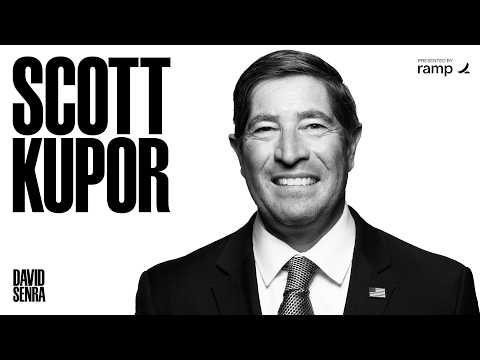 David Senraa16z's First Employee on the History of a16z, Venture Capital & Fixing the Government | Scott Kupor
Scott Kupor explains how a16z unbundled the VC job into a platform of specialists, then argues the federal government's talent and incentive systems are broken and can be fixed with merit, accountability and permissioned risk.
9 key points · 1 quote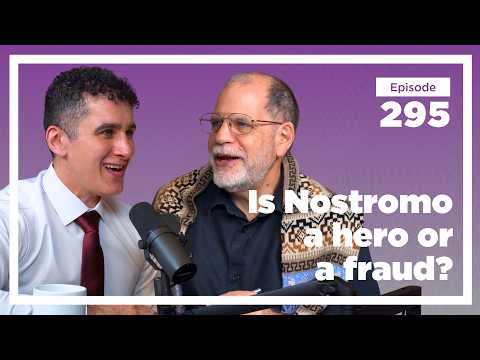 Conversations with TylerRichard Hanania on Conrad’s Nostromo, Latin American Crime, and Populism
Tyler Cowen and Richard Hanania read Conrad's Nostromo as a study of Latin American dysfunction, then apply its lessons to crime, media, populism and the right, disagreeing about whether comparison or tragedy is the right lens.
8 key points · 1 quote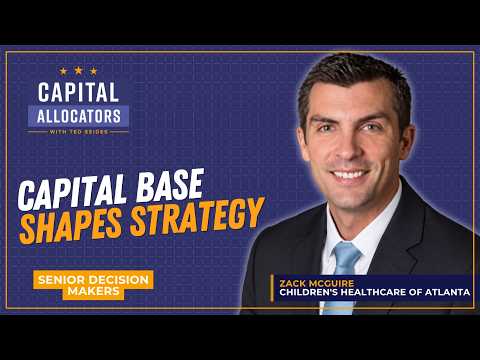 Capital AllocatorsZack McGuire: Dynamic Allocation and Concentrated Conviction at Children's Healthcare of Atlanta
Zack McGuire explains how Children's Healthcare of Atlanta builds its portfolio from the nature of its capital base, using dynamic allocation, team-based decisions, mission-driven access and system integration.
9 key points · 2 quotes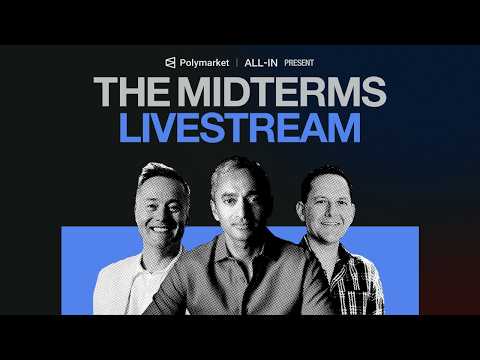 All-In Podcast2026 Election Night Livestream with the Besties!
On a night of heavy Democratic wins, the besties and guests argue the result reflects cost of living, perceived corruption and Trump-picked candidates, and that Democrats must govern while the AI infrastructure trade faces political risk.
11 key points · 1 quote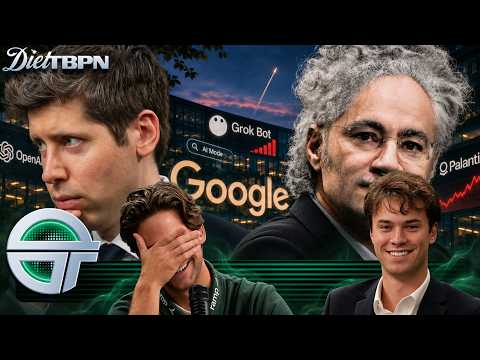 TBPNApple & Palantir Earnings, Elon Caps Grok Bot Usage, SpaceX’s Starfall | Diet TBPN
Earnings beats are being met with margin worries, while AI reshapes Google search, Grokbot costs, and the space economy, with SpaceX's Starfall validating in-space manufacturing.
8 key points · 1 quote Sourcery with Molly O'SheaInside fal’s $1.65B Series E & F Led by Sequoia & Bessemer
fal's founders argue generative media is AI's third product-market fit alongside search and coding agents, with demand rising as models get pricier, margins sitting in compute, and a flat super-IC team structure.
12 key points Masters of ScaleThe new rules for leading in chaos: How to plan, prioritize, and stay calm | Summit 2026
Thriving in constant chaos means measuring how far ahead you can see, steering by the horizon instead of a fixed plan, staying precise, and protecting calm and priorities.
7 key points · 1 quote Latent Space⚡️ The 2026 Software Factory Infra Stack — Zach Lloyd, Warp.dev
Zach argues a software factory should be a concrete, code-defined, measurable agentic system with its own infrastructure stack, replacing vibes-based coding agent use with observe, measure, tune engineering for teams of scale.
9 key points · 1 quote