
Free — sign in with your email, no password.
Podcasts on 24 October 2026
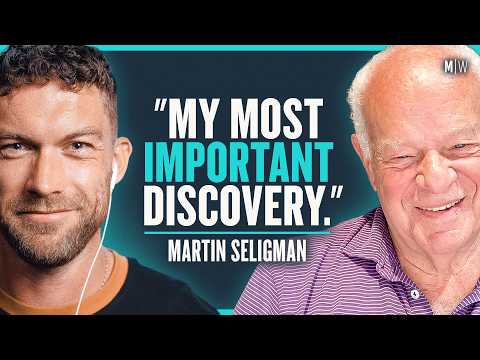 Modern WisdomPositive Psychology Founder: How To Stop Your Negative Thoughts - Martin Seligman
Martin Seligman argues that human flourishing depends on agency, made of efficacy, optimism and imagination, which can be learned, drove historical progress, and is now being amplified by AI.
12 key points · 3 quotes The AI Daily BriefThe Most Concerning AI Bubble Signals
The host argues most AI bubble warning signs are overblown or misread, that demand is the question that matters, and that the Anthropic IPO is the next real test.
9 key points The Cognitive RevolutionAI:AM Highlights: Clean Neurons, Black October, the GPU Credit Crunch, and Buying the Supply Chain
The pace of AI depends on money, atoms and law: recursive self-improvement looks real, credit and physical supply chains are the bottlenecks, and policy and interpretability claims are being oversold.
11 key points · 1 quote Sourcery with Molly O'SheaAI Agents Could Drive 10,000x More Web Activity | Former Twitter CEO
Parag Agrawal argues that AI agents will use the web thousands of times more than humans, forcing new search infrastructure, new business models for content owners, and agent-first design.
11 key points 20VC with Harry StebbingsInference Will Be $10TRN Market: What No One Sees | Software Investors are F***ed | Naveen Rao
Naveen Rao argues energy is AI's binding constraint, that efficiency gains now come from co-designing models and hardware, and that intelligence demand is effectively unbounded, making hardware the place to invest over software.
11 key points Y CombinatorWhy Inference Matters 12x More Than Training | YC Paper Club
Inference, not training, dominates AI compute and cost, and speakers from Together, Ollama, Luminal and SGLang show how routing, quantization, compilers and cache management decide who profits from serving tokens.
12 key points · 1 quote TBPNModerna Drama, AI Drama, Housing Drama, Gold Drama
A news-and-guests show covering Moderna's leaked trial data and a well-timed options bet, rising cyber threats and calls for labs to defend the internet, luxury real estate, and startups like Marathon Fusion.
8 key points · 1 quote All-In PodcastAI Cyber Panic, Ken Griffin’s Bubble Warning, The Fall of France?
The panel argues AI spending is concentrated and circular, AI-found exploits expose years of security debt, and France's unrest shows the limits of a large state, with Freeberg warning the US is on the same path.
11 key points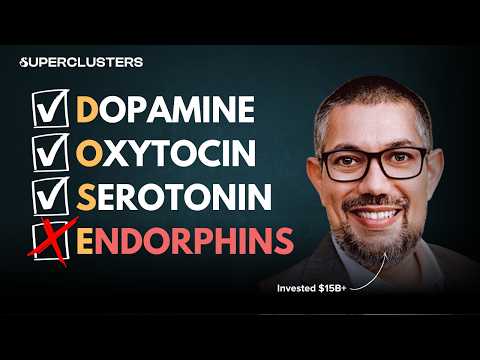 SuperclustersYou're missing endorphins in your pitch deck! | El Pack w/ Asher Siddiqui
Asher Siddiqui argues that LPs underwrite people rather than theses or logos, so emerging managers should lead with their lived story and motivation, and that venture is a purist, individual-driven game.
10 key points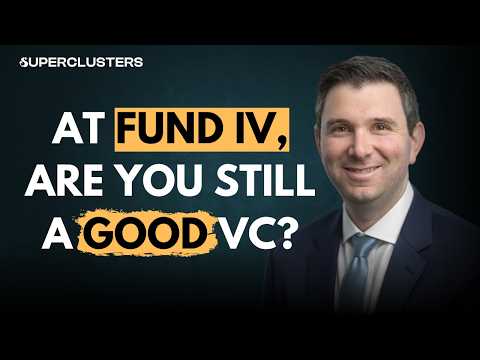 SuperclustersAre you a better investor than a Fund I VC? | Zach Ruchman
Zach Ruchman explains how an allocator underwrites managers across fund generations, team formation and attribution, and argues that private markets reward real edge in picking and winning, which AI sourcing cannot supply.
9 key points · 1 quote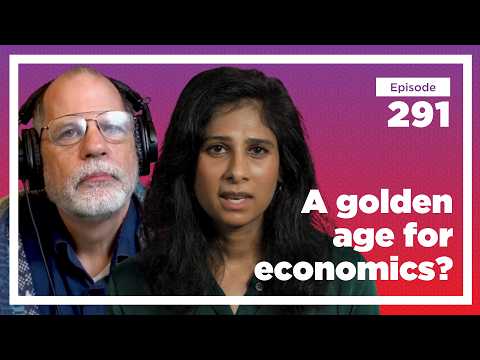 Conversations with TylerGita Gopinath on Trade, Currencies, and Economic Transformation
Gopinath argues that trade balances, exchange rates and prices follow dollar dominance and broader policy distortions rather than textbook relative-price logic, and applies this to Argentina, China, digital money, Treasuries and AI.
12 key points The Game with Alex HormoziCan I Save This Failing Theme Park in 90 Days?
Alex Hormozi helps a cash-starved adventure park owner build a 90-day rescue: a summer camp giveaway to pull cash forward, tighter funnel pages, and lead follow-up capacity, with persistence as the final lesson.
8 key points · 1 quote The Game with Alex HormoziThis Video Should Be Required Viewing for Business Owners
Alex Hormozi coaches a dental practice owner to scale: remove the founder-doctor bottleneck, raise prices, collect payment up front, educate prospects before the sale, and add speed, nailing the current location before expanding.
8 key points · 4 quotes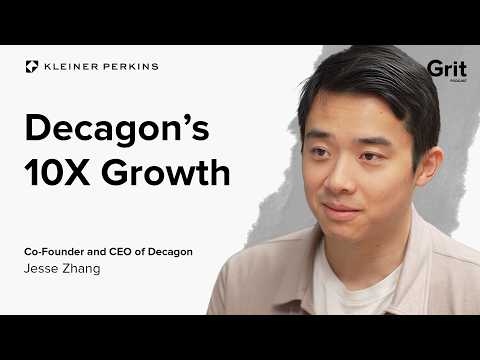 GritInside Decagon: Finding PMF, Hiring Fast, and Scaling 10x
Decagon's CEO Jesse says the company grew from 50 to 500 people by hiring only when it felt pain, raising on preempts, and building a product that customers own and control.
9 key points · 1 quote BG2PodChatGPT – The Super Assistant Era | BG2 Guest Interview
Nick Turley of OpenAI argues ChatGPT's growth came from friction removal, product craft and model gains, and that its next phase is a proactive, action-taking super assistant rather than a chatbot.
12 key points Pirate Wires PodcastThey Want Elon Musk In Jail | Pirate Wires Podcast ft. Mike Solana & Bridget Phetasy
Mike and Bridget argue that Democratic lawfare and intimidation of Elon Musk and Trump allies, censorship, and wealth grabs like Prop 40 signal an authoritarian slide, while Omar's case tests their own liberal principles.
9 key points · 1 quote TBPNWhy Moderna Tanked, MSG Employees Duped By Their Boss, The Mansion Section | Diet TBPN
Moderna's stock fell because strong phase three results still missed investor expectations, while a trader's lucky timing and MSG's phishing test on employees show how outcomes and tactics can backfire.
5 key points · 1 quote