
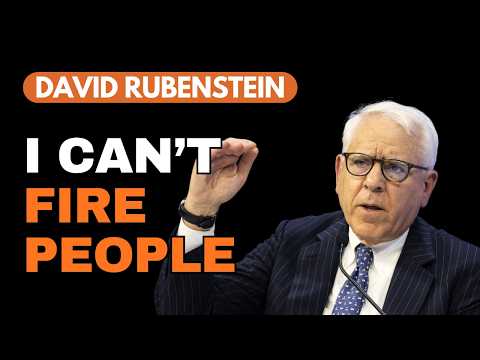
Orioles Owner: Why I'm Bad at Firing People | David Rubenstein
David Rubenstein argues that sports owners are driven by winning and community rather than profit, that money and owner credit are overrated, and that fan loyalty, negotiating discipline and humility about one's own skills matter most.
Watch on YouTube ↗Charlie's summary
- ▶ 1:28
Sports owners are motivated by winning and community, not money, and Rubenstein bought the Orioles as a philanthropic gesture to Baltimore.
David says buyers of sports teams care less about money than buyers of other companies do. They care about the community and about winning. He says he bought the Orioles as “a philanthropic gesture” to his hometown, where his parents are buried, and he doesn't expect to sell while he's alive. Winning, he says, matters more than profit or popularity.
- ▶ 2:28
Spending money on players does not guarantee winning.
David says the Orioles have “more than doubled” player salaries since he took over, yet results on the field haven't followed. He points to the Mets, whose very wealthy owner hasn't won a championship, while the Dodgers have spent heavily and done well. In sports, unlike many businesses, money helps but guarantees nothing.
- ▶ 3:29
When a team fails, the manager gets fired because owners don't remove themselves, and David is bad at firing people.
David says it's easier to remove the coach than the players, and owners don't tend to remove themselves. That is how he explains firing manager Brandon Hyde, who had been manager of the year. At Carlyle, David was so poor at firing that he sometimes ended up promoting people who came into his office. A partner took over the job. Some of those people turned out fine, and fired managers often win elsewhere.
- ▶ 16:12
Be prepared to walk away: a buyer who will pay any price gets a worse deal.
David says a good negotiator must have red lines and be ready to leave. If the other side knows you will “pay any price, bear any burden,” you won't get the best deal. So don't say you can't wait or that your family wants it done. He applied this to the Orioles purchase. He hung up on a banker who lectured his team on debt, and he was prepared to walk away before deciding the chance to buy his hometown team was too rare.
Give your email to unlock the rest of the key points — for every episode.
Do more with Charlie
Free — sign in with your email, no password.