
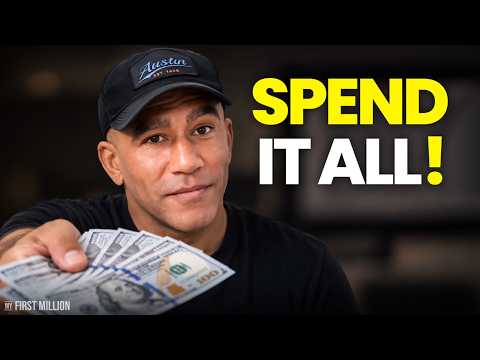
$100M hedge fund manager: Do not make the mistake of dying rich
Bill Perkins argues that money is a tool for fulfillment, so you should spend your life, health and money on the right experiences at the right ages and aim to die with zero, and zero regrets.
Watch on YouTube ↗Charlie's summary
- ▶ 2:00
Traders are “glorified insurance agents”: survive the bad years and the edge pays off
Bill made his money trading natural gas derivatives. He says he wasn't out-predicting other smart traders. He sold hedges to people afraid of winter price spikes, and the premium usually bled out. His fund swung from down 50% to up 250%. His rule is “the name of the game is to stay in the game.” Like insurers who survive a hurricane year, traders with edge profit if they aren't wiped out first. Temperament matters as much as knowledge.
- ▶ 14:13
Your net worth peak is a date, not a number, because your body is a decaying asset
Bill wanted to be a millionaire before 30 and never set a cap number. In his 30s he decided the age matters more than the amount. The body converts money into fulfilling experiences less well as it decays, so extra money eventually means nothing. Bill says the slope of that decline matters more than the pile. The book Your Money or Your Life shaped this view: money is something you exchange hours of your life for.
- ▶ 19:19
Fear wasting your life more than losing money; ego, not money risk, is what stops most people
Bill says most people who never start a business or chase an opportunity can handle the money risk. What they can't take is the status drop and the judgment of friends and family. They then give motivated reasoning for avoiding it. Bill says his own fear is wasting his life. He practices not caring what others think and takes maximum accountability for his own part in whatever went wrong. Awareness isn't enough, though. Like an alcoholic, you still need an action plan.
- ▶ 26:29
Much of what you want is programming, so test your reactions by whether they work for your goals
Bill realized that many of his tastes and his idea of the good life came from marketing and culture. He compares it to disliking fried crickets only because he didn't grow up eating them. He doesn't judge responses as right or wrong, only by whether they work for his goals. If someone steps on your sneakers, you can pick a response other than a punch. Bill says you can rip out the programming that doesn't work for you and replace it, but it takes years, not a day.
Give your email to unlock the rest of the key points — for every episode.
Do more with Charlie
Free — sign in with your email, no password.