
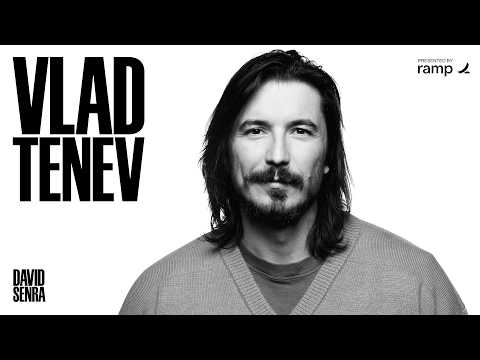
Building Robinhood, Surviving GameStop & A $500 Million Phone Call | Vlad Tenev
Vlad Tenev recounts how trust with Ribbit's Micky Malka, a term sheet drafted in March 2020, and one fast phone call saved Robinhood during GameStop, and how immigrant roots and a legacy test drove him into entrepreneurship.
Watch on YouTube ↗Charlie's summary
- ▶ 0:30
Investor trust compounds: Micky passed on the seed, argued over board rights, and became the only investor promoted to Robinhood's public board.
Vlad says Ribbit passed on Robinhood's seed round at a $10 million cap, then invested in the Series A and became an observer. Micky told him he would one day want him on the board. Vlad calls him a direct challenger he never doubts, and in moments that mattered he proved he had Vlad's back. When Robinhood went public, Vlad asked him back as a full director because he valued his counsel. Public-company founders pick their own board.
- ▶ 9:14
A term sheet drafted in March 2020 and never signed became the rescue plan for GameStop.
As Covid trading surged, Robinhood's capital requirements as a regulated broker rose with volume, which tripled in a month. Vlad called Micky and warned he might need hundreds of millions fast. They agreed on a term sheet so money could be wired the same day. Nobody else would do this, since venture capital had pulled back. They never used it, because Sequoia and D1 invested. Vlad still says the exercise of thinking it through helped when January 2021 arrived.
- ▶ 16:27
The GameStop crisis was too much success: capital requirements jumped overnight while Robinhood was the number one app.
Vlad had prepared for another infrastructure outage, the devil he knew, and was blindsided by the deposit requirement. The first automated number was about $3 billion, then $1.8 billion, then $700 million. Robinhood had to restrict GME to position closing only. The firm was number one in the app store, ahead of Instagram and TikTok, and revenue was heading to $1.8 billion after about a billion the year before. Vlad says growth brought rising risk, and the leadership team split into work streams: customer communications, keeping systems up, and finding money.
- ▶ 22:35
In a funding crisis the first call matters: Micky committed on the spot, which made every later conversation easier.
Vlad called Micky first. Asked how much, he said maybe $250 to $500 million, and Micky replied he had it. Vlad later learned Micky drew on a line of credit from the SVB CEO. Vlad says the first call was consequential because investors hesitate to inject money into a business that might collapse, and a different first reaction could have stalled everything. Once Micky was in, the next calls got easy and demand reached about $10 billion. Vlad also toured banks and counterparties to assure them Robinhood was sound.
Give your email to unlock the rest of the key points — for every episode.
Do more with Charlie
Free — sign in with your email, no password.