CharlieKey takeaways from your favorite podcasts
← 18 November 2026David Perell

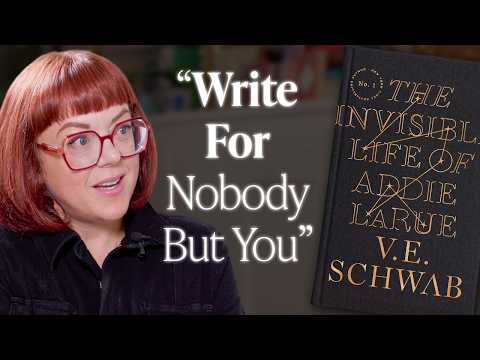
The Architecture of Great Writing (V. E. Schwab Interview)

V. E. Schwab argues great fiction is engineered: outline obsessively, start from the ending, invest slowly in character and rules, ground fantasy in reality, and write for yourself with patience.

Watch on YouTube ↗

Word for word

I stopped measuring word count. A lot of writers will be like, I need to write 2,000 words a day. And I'm like, okay, I get that. I measure time because I will have days where I write 2,000 words, and I will have days where I write 200 words because I was deleting, editing, thinking, doing all of the other work that I think if we only measure word count, we're a disservice to our own creative process. And also we might push ourselves to hit words that we're not actually going to need for the book.
★ In the digest▶ 1:24:07
I know my characters as if they are real people. I build them as if they are real people. I build them so that their existence is not contingent upon the reader's attention, meaning when the reader puts the book down, when they finish, I don't want them to believe the character stops existing. I want them to believe they're no longer invited to follow the character's story.
★ In the digest▶ 18:30
Backstory is something that often gets a bad rap because it's seen as exposition. But backstory, even if it never makes it onto the page or it makes it onto the page in the smallest doses, is one of the most important things you can know about your characters. I do not mean David Copperfield style backstory, from the moment they're born until the moment we follow them. But what I do mean are the highlights and low lights of their life, the defining moments that made them the person that they are.

Do more with Charlie

Free — sign in with your email, no password.